

Monday, May 4, 2026
Home Blog Page 7

THE PILGRIMS’ PROGRESS: A JOURNEY TO MANGALADEVI TEMPLE

0

The Full Moon is a magical time. The Moon has a special significance in our lives and Chitra Pournami (Full Moon in the Tamil Month of Chithirai) is all the more special for it is only on this day that we have the opportunity to go deep into the Periyar Reserve Forests and visit the Mangaladevi Temple.

5th May 2023  was the Chitra Pournami this year and provided Kumiliites an opportunity to visit the Mangaladevi Temple to seek the Blessings of Goddess Kannaki who is the presiding Deity of the Temple. Worship at the Temple commenced at 5.00 a.m with a priest each from Kerala and Tamil Nadu leading the Pooja.

Since the Temple is located on the borders of Kerala and Tamil Nadu, the administrators of both states had taken extra care this year to ensure that the event was a success and no untoward incident affected the journey of the pilgrims and their worship at the Temple.

While the spiritual experience is exhilarating the journey over rugged terrain is an eye-opener for it exposed the pilgrims to the grandeur of nature and the majesty of the Divine while testing their physical endurance. The trek through the forests is roughly about 15 kilometres and while lakhs of pilgrims went on foot Jeep Taxis were provided at nominal rates for those who found the walk too arduous or did not have lots of time to spare.

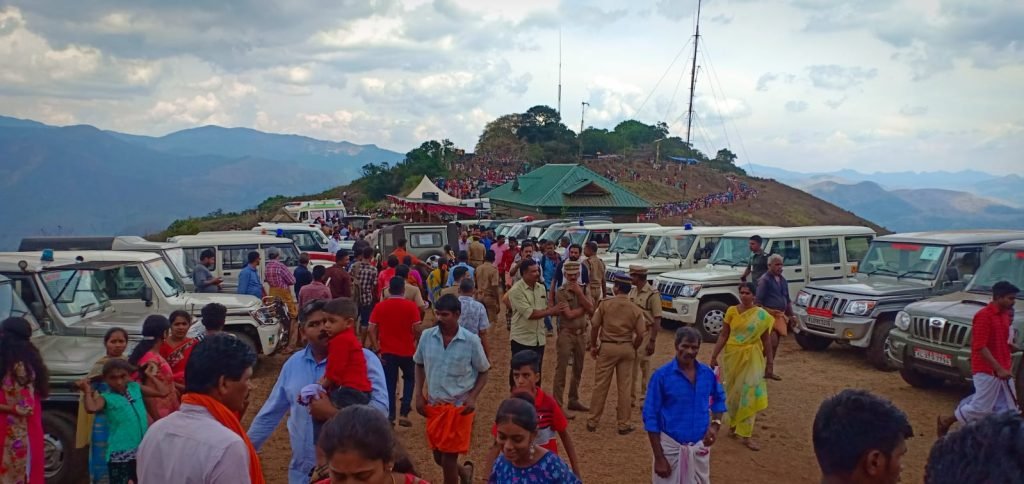
Around a thousand Jeep Taxis ferried devotees from Kumily to the Temple and back between 6.00 a.m. to 4.00 p.m. Only four wheel drive vehicles with special permits were allowed to serve as Taxis. The roads were narrow and there were occasional bottle necks which were skillfully controlled and managed by the Police who were deployed in great numbers through the entire route. They were ably assisted by Forest guards and officials who saw to the safety of the pilgrims.

The journey began rather slowly as the jeeps inched forward to the check-post at the entrance to the reserve forest where they were meticulously checked for plastic bottles and other inorganic items by security personnel to ensure that the pristine forests remained unpolluted and unharmed.

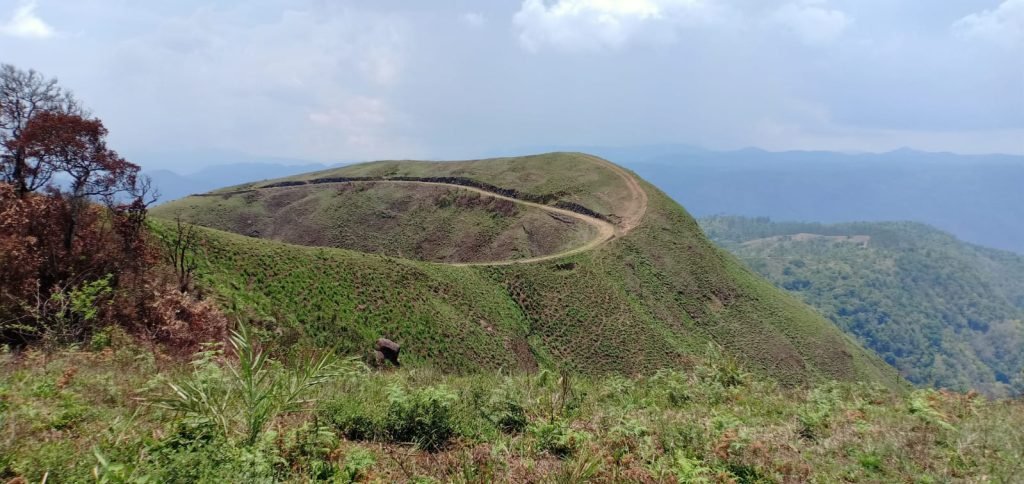
The majestic hills and the deep ravines on both sides of the pathway were a sight to behold. In addition there were occasional spurts of excitement among the pilgrims when they chanced to spot a couple of Bisons and what appeared to be an Elephant in the far distance.

Another path which commences at Lower Camp on the Tamil Nadu side was accessed by many pilgrims who climbed the rather steep hill to come directly to the Temple without touching Kumily. From a distance they appeared like small ants as they climbed up and down the steep path to reach the Temple.

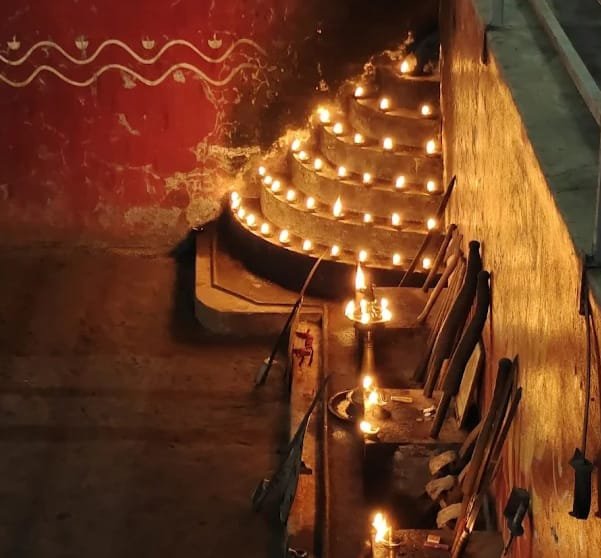
Finally the Mangaladevi Temple appeared on the Horizon atop a Hill and the weary spirits of the tired pilgrims are uplifted as they enter the hallowed shrine. The entire temple has been tastefully decorated with palm fronds and flowers of what is known in Malayalam as Kani Konna and Konrai in Tamil which is also known as golden shower or purging cassia, (Botanical name: Cassia Fistula) in English.

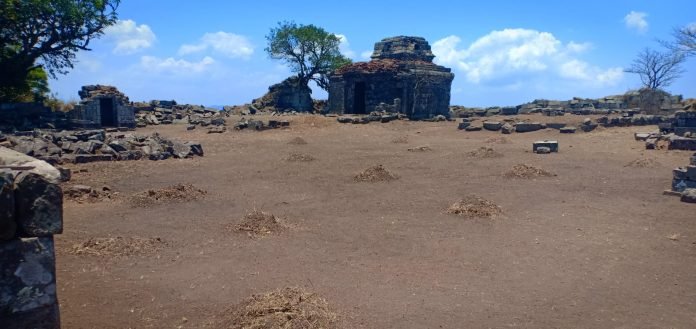
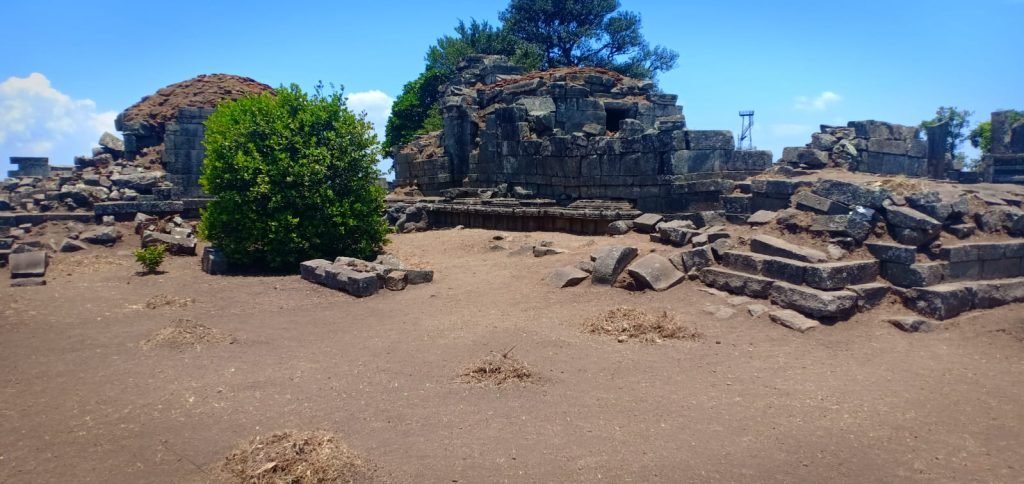
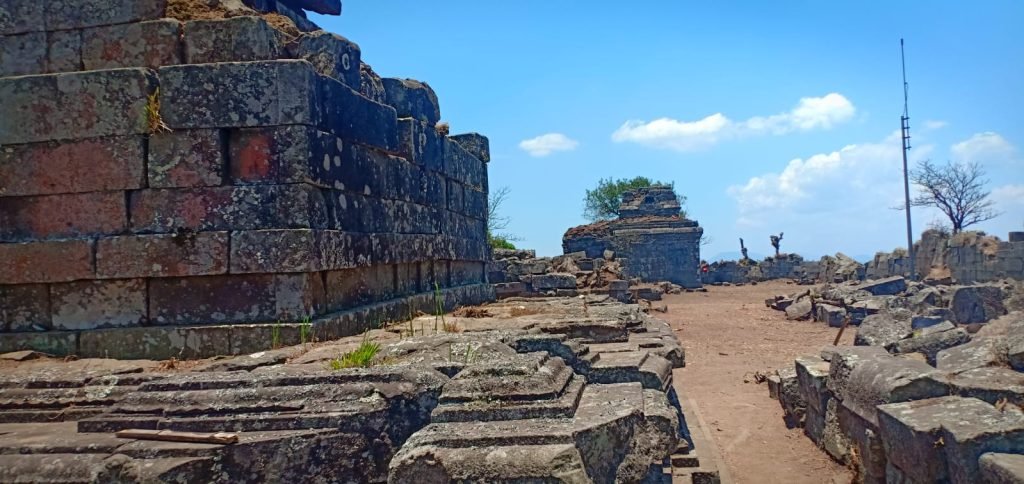
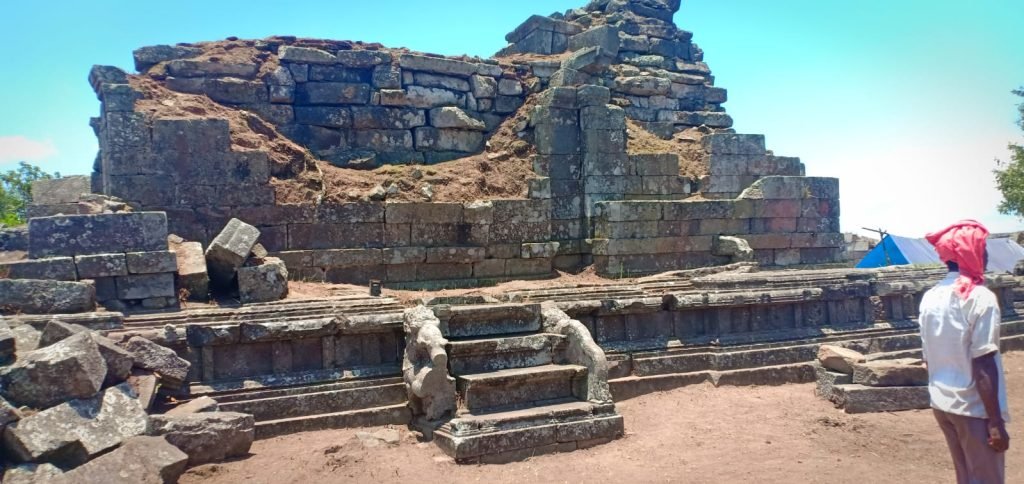
The Temple architecture is of an ancient style built with blocks of granite stone being place one upon the other. It is believed that the Chera King Cheran Chenguttuvan who built this temple had requisitioned these blocks of Granite from the Himalayas and brought them all the way here. Makes us wonder how it would have been transported in those days when there were no motorised vehicles to be used.

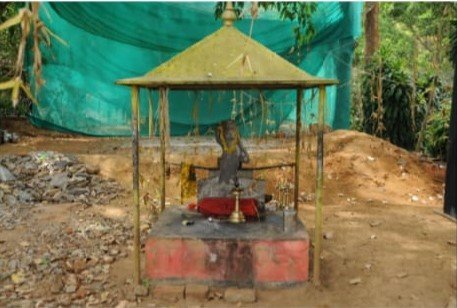
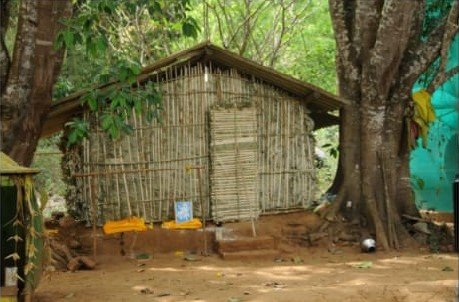
The temple is very basic and has no Tower as found in the Temples of South India. An idol of Lord Ganapathy is found in the open before entering the main structure. The sanctum Sanctorum for Mangaladevi is a small room where poojas are performed and aarthi displayed and prasad given. This gives the devotees an opportunity to worship the Devi at close quarters. The devotees then proceed to a shrine for Lord Shiva and Parvathi.

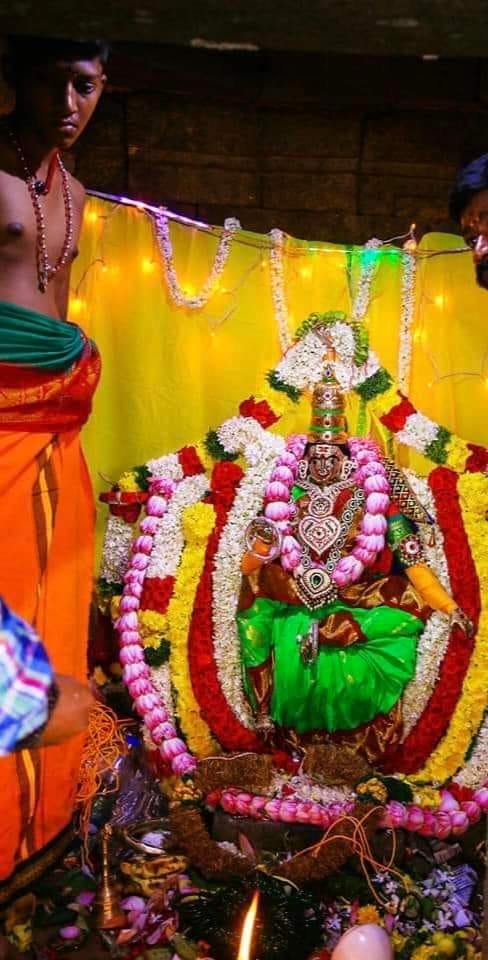
Following this the devotees then reach the structure which houses an idol of  Kannaki holding the Silambam (anklet) which caused her husband misery. Prasad (Kumkum) is distributed here and green coloured bangles are distributed to all the womenfolk visiting the shrine.

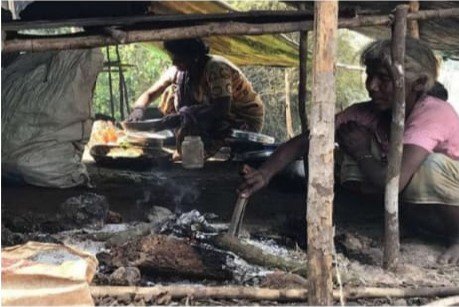
Out in the open we can find many women and their families preparing Pongal and offering it to the Devi as well as sharing it with the devotees. Free packets of food were also being distributed in the Shamiana put up outside the Temple. Ancient inscriptions in Tamil are also found on the stone wall of the Temple.

We can also find a small well surrounded by rocks in the courtyard which is said to have once housed a secret tunnel all the way upto Madurai. It is said that the tunnel used to end in the Temple pond located inside the Madurai Meenakshi Amman Temple. It is also said that an opening into this tunnel is also found at the Lower Camp. This remains a mystery till today and if such a tunnel were really true it will indeed be an engineering marvel even in this technological age.

After worshipping at the temple devoteess can be found strolling around taking in the beauty of the lanscape, unwilling to return back to civilisation for the place has such power to make us wish we could stay here forever. Reality finally wins, and the devotees begin their trek back or board the Jeep taxis for another round of jolting and jarring before they can return to Kumily.

While “Kumily Calling” considers a trip to Managala Devi Temple a great positive experience the only discordant note was the awful stench of diesel fumes and burning clutch plates all along the rocky road from the jeeps which were overloaded and coughing out dark smoke while accelerating along the path.

The temple’s historic significance, the simple yet attractive inner sanctum, and its being situated deep within the Periyar Wildlife Sanctuary make it a great attraction to both devotees and nature lovers.

All said and done, this a pilgrimage that must be embarked upon every year.
STATE LEVEL PHOTOGRAPHY COMPETITION AT THEKKADY FLOWER SHOW

0

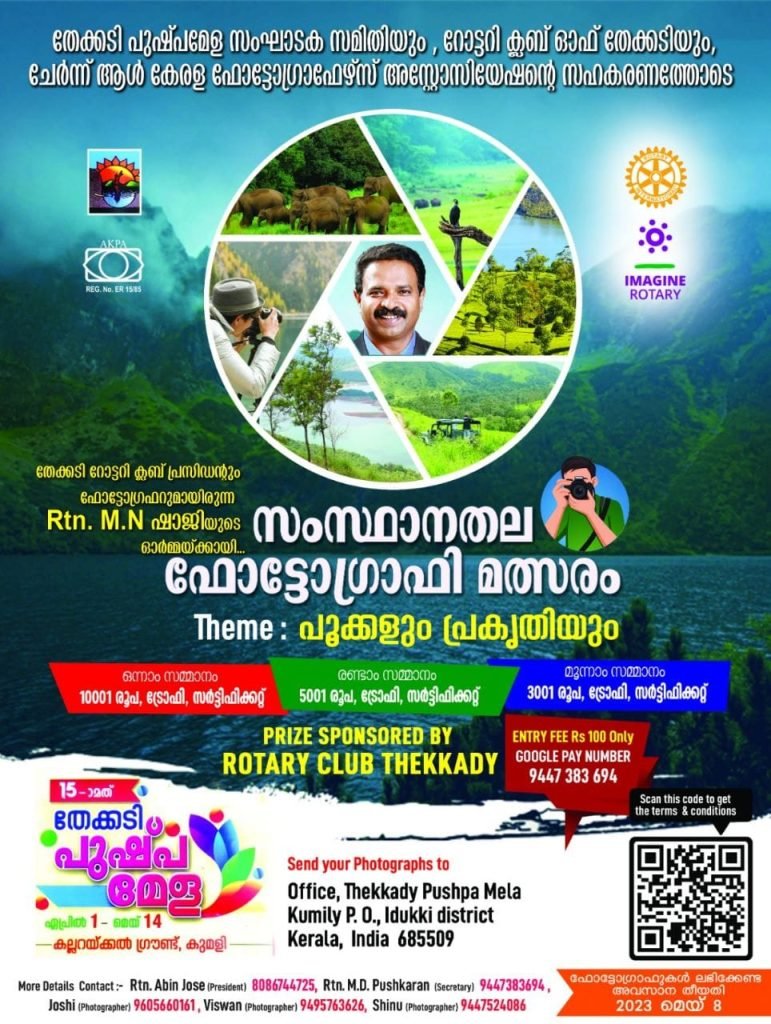
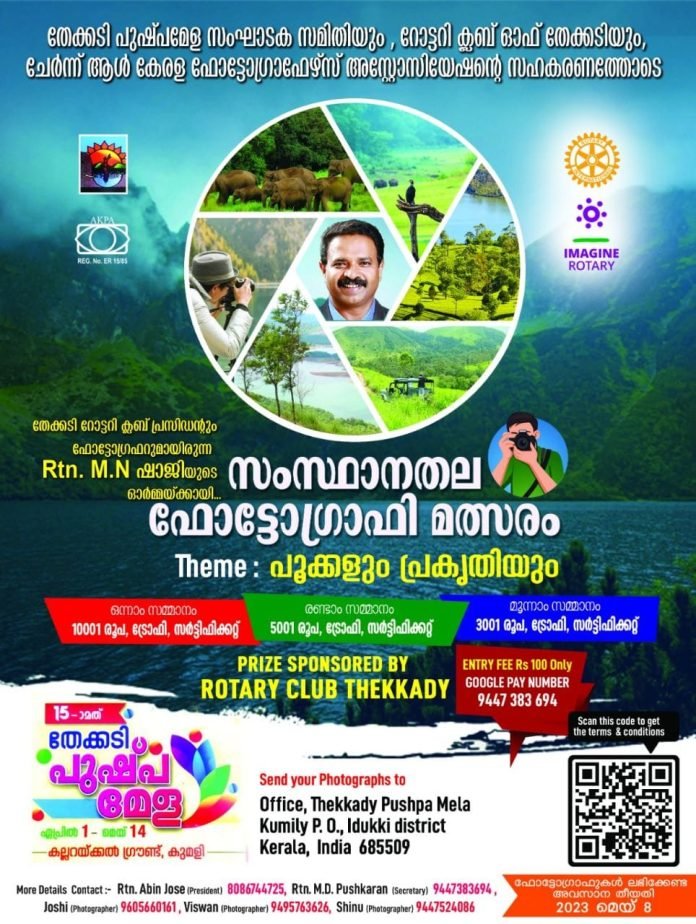
A State level photography competition is being conducted by the organizers of the 15th Annual Thekkady Flower Show along with the Rotary Club of Thekkady in Memory of Rotarian M.N.Shaji. The theme of the competition will be images of “Flowers and Nature”.

Only Photographers from Kerala are eligible to participate in this contest. An entry fee of Rs.100/- is being charged per entry. The last date for submission is 8th of May 2023. Entries must be sent to the Office of the Thekkady Pushpa Mela, Kumily PO, Idukki District, Kerala – 685509

Prizes for the competition are being sponsored by the Rotary Club of Thekkady. A first prize of Rs.10001/- along with a second prize of Rs.5001/- and a third prize of Rs.3001/- are being awarded. The prizes will be awarded on 14th May 2023 which will also be the last day of the Mela.

Contact details for further information can be found on the Poster shared with this announcement.

So send in your entries at the earliest

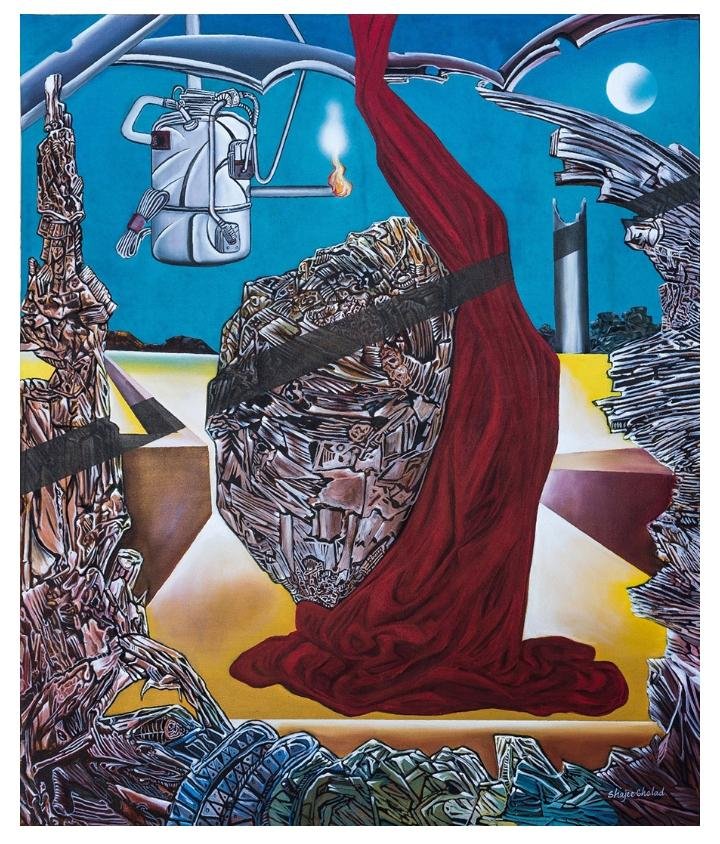
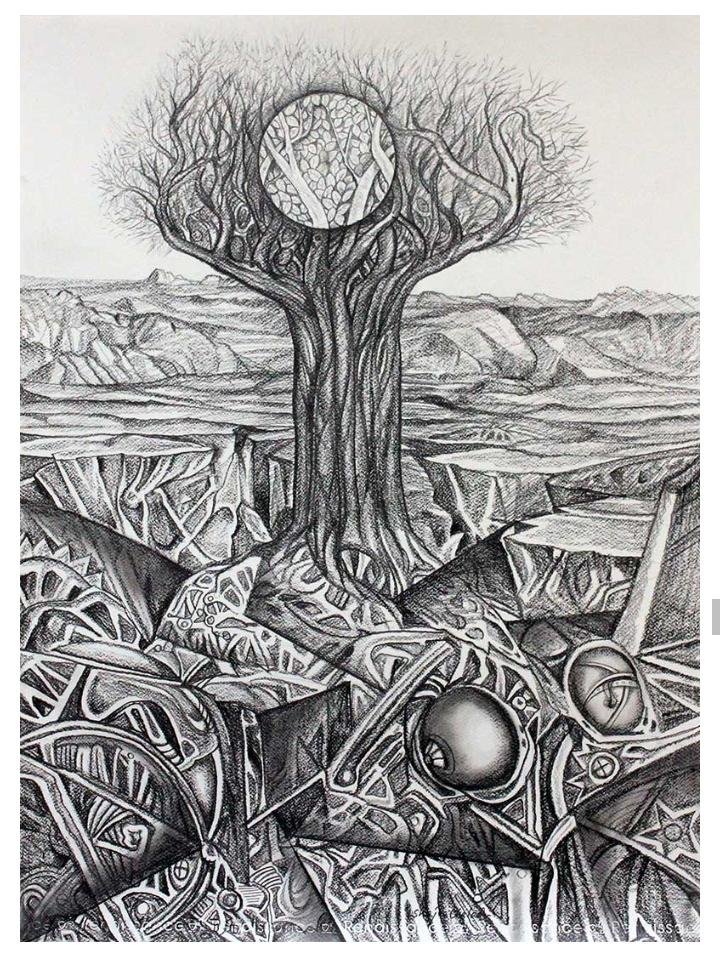
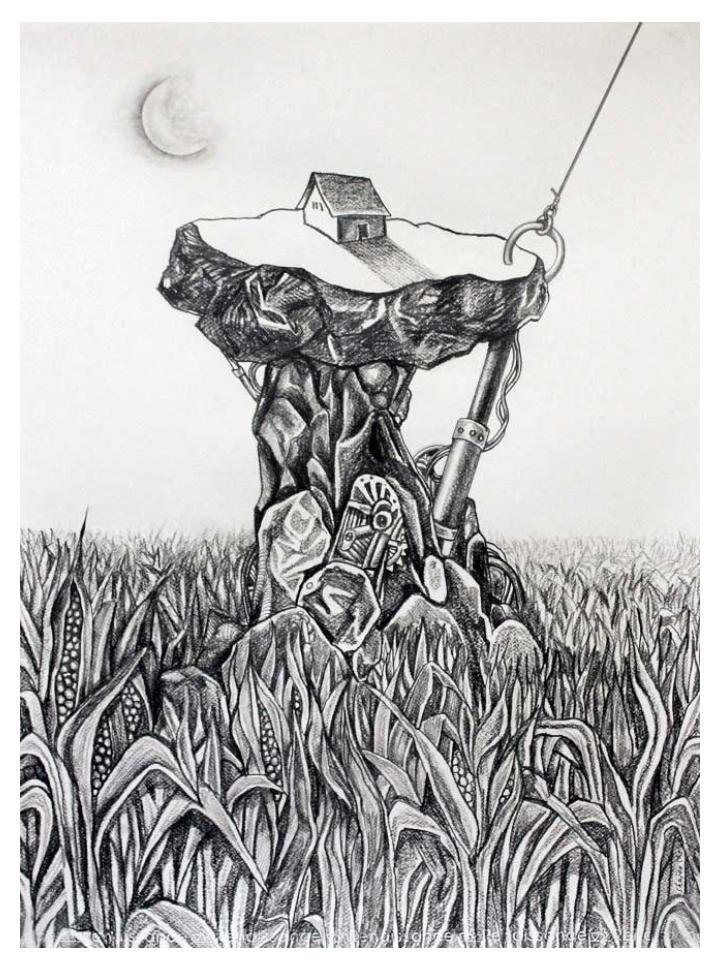
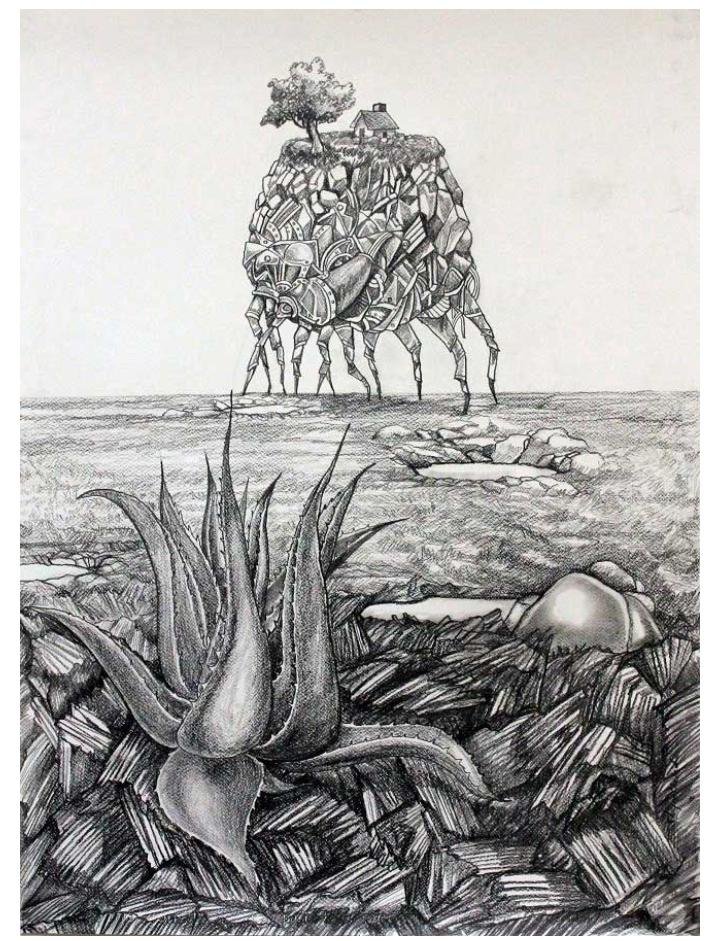
SHAJEE CHELAD: AN ARTIST WITH A POWERFUL VOICE

0

By Anjaly Rajendran

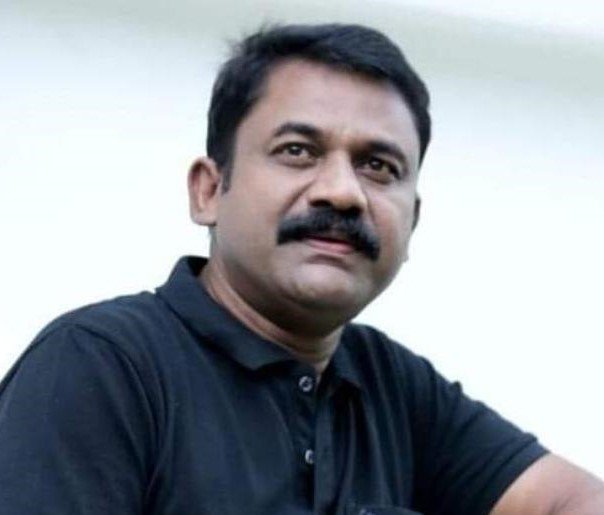
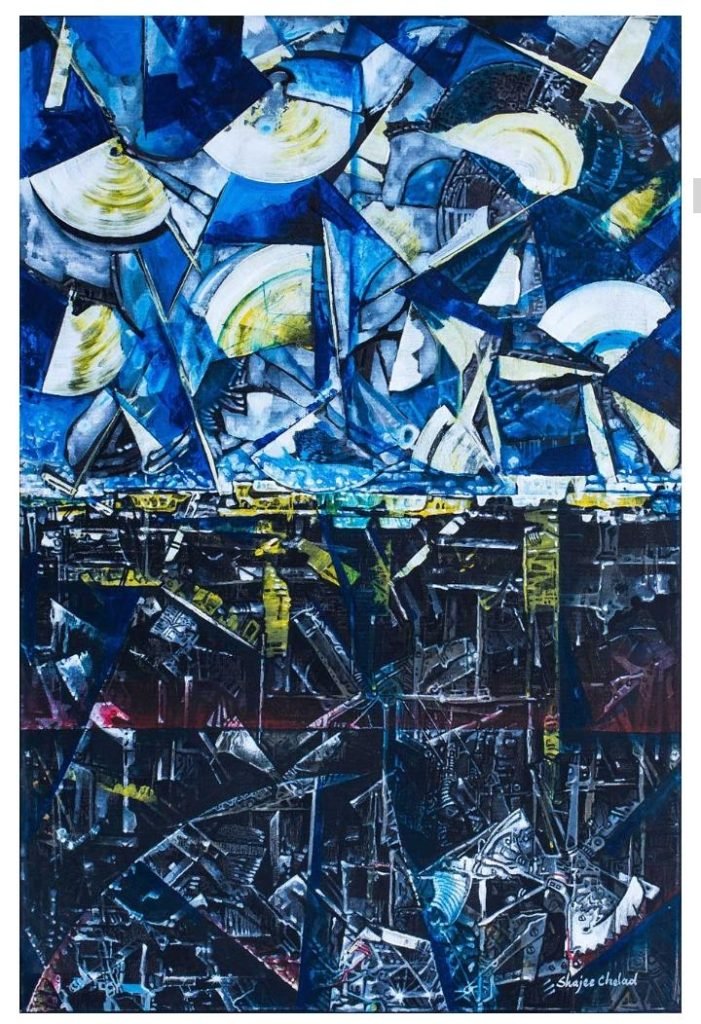
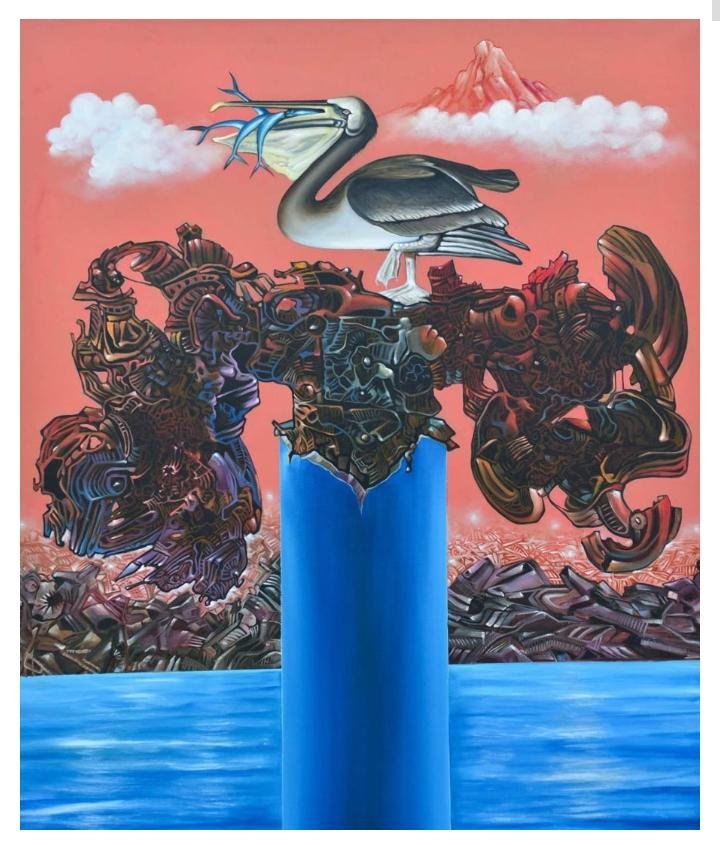
Kumily is home to many artists and scholars. One such artist who has won critical acclaim is Shajee Chelad who settled in Kumily over twenty five years ago. Originally named as Shajee P Madhavan he was born in 1971 at Kothamangalam Thaluk of Ernakulam District in Kerala. His Father was P A Madhavan and Mother’s name was Ammini.

Shajee Chelad completed his Bachelors in Fine Arts (BFA) from the College of Arts, Kerala University with specialization in painting. He has received many scholarships and awards for his creative work. He has also held several painting exhibitions all over the world and in India too.

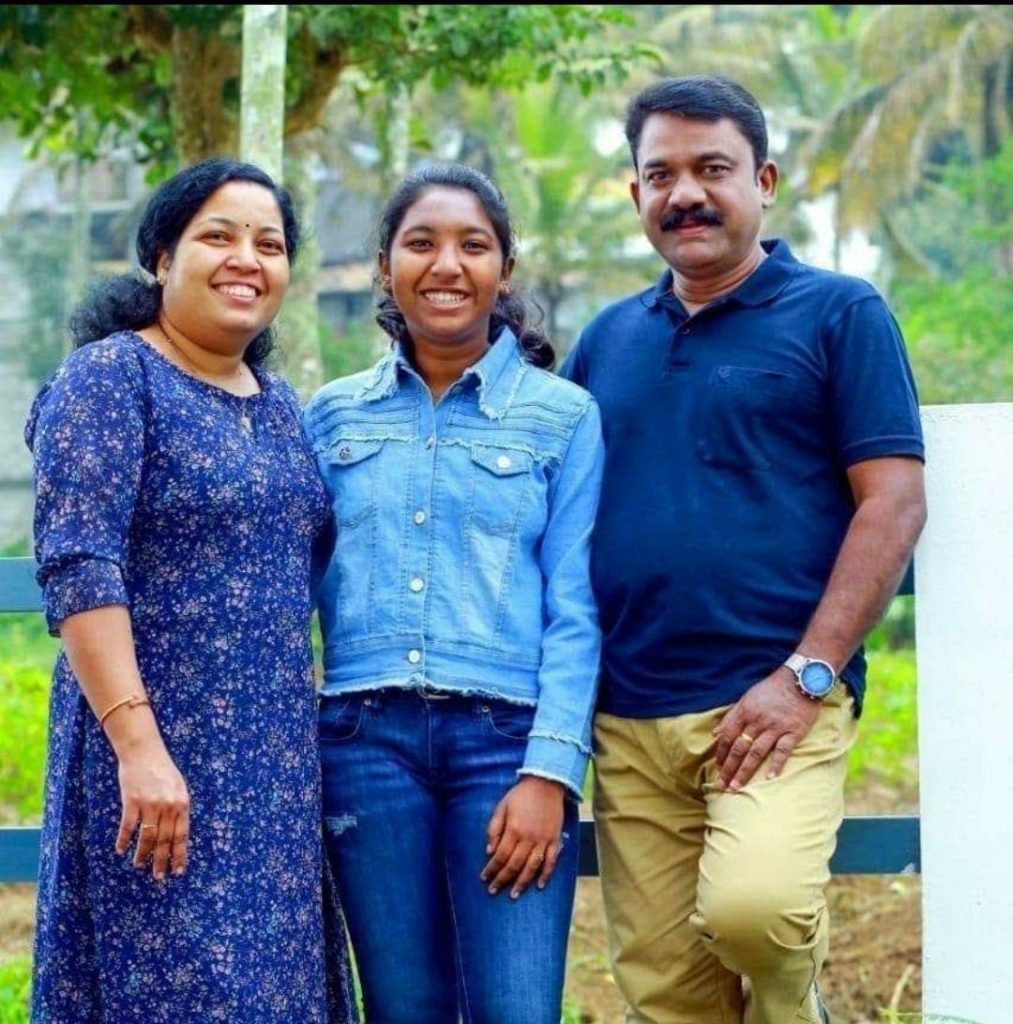
Shajee is currently employed as the Head of the Fine Arts Department at the Scholars’ International School, Qatar. Prior to his current assignment he has worked as a teacher of Fine Art in various schools and colleges of Kerala since 1999. Shajee’s wife Remya Shajee and his daughter Arshika Sha Madhav currently live in Kumily.
Shajee Chelad focuses on inculcating simple techniques among his students to help them convey their message. He also motivates his students to participate in various art competitions.

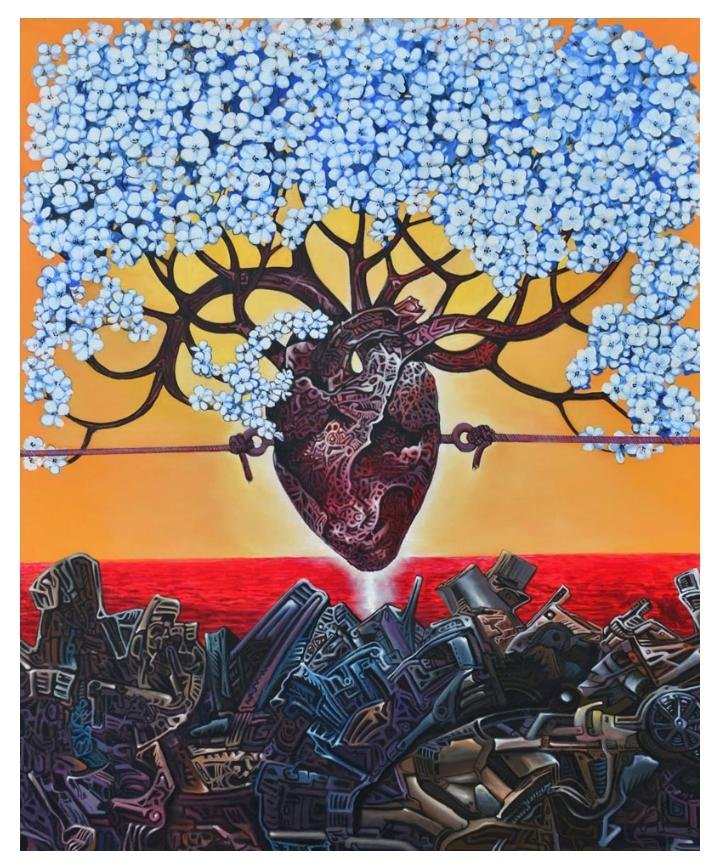
Shajee considers his paintings as a voice against the cruelties of men towards their fellow men and their environment. His use of colours represents a personal revolt against the atrocities committed against humanity. He paints in different mediums; often trying to bring a new perspective to the place and the society that he lives in. Many of his cartoons and illustrations have appeared in several magazines and periodicals of Kerala from 1987 onwards, under the Pseudonym Shajee Chelad which have earned his current name.

Shajee Chelad has received innumerable awards throughout his career. Noteworthy among them are The Commendation from the Kerala Lalitha Kala Academy in 1997, 2000-2001 and 2008-09 (Honorable Mention), Raja Ravivarma State Award for Best Painting in 1997 and 2000, Best Cartoonist Award in 1989, 1990 & 1991 from the Kerala Cartoon Academy, Best Art Teacher Award in 2002 All India National Academy for Art Education, Pune, Adhyapaka Kalavedi State Award in 2003, Adhyapaka Kala Sahithya Samithy State Award 2005, Rotary Club of Thekkady Vocational Award 2005, Qatar International Art Festival Award from UNESCO and MAPS Qatar in 2018 and many, many more.
Shajee Chelad has also participated in several art camps and has worked with M.F.Hussain on the Millennium Painting organised by the Cultural Ministry, Govt. of Kerala in 1999. He has also held several exhibitions and participated in many group exhibitions as well.

We at Kumily Calling are proud to call Shajee Chelad as one of our own and wish him all success in all his future endeavours.

PROMOTING SPORTS IN KUMILY: ELEGANCE ARTS AND SPORTS CLUB

0

By Anjaly Rajendran

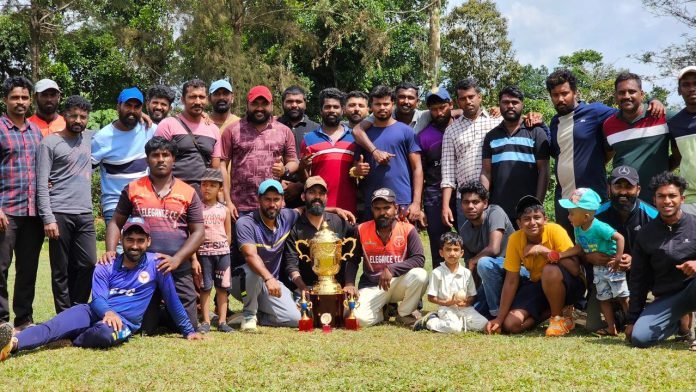
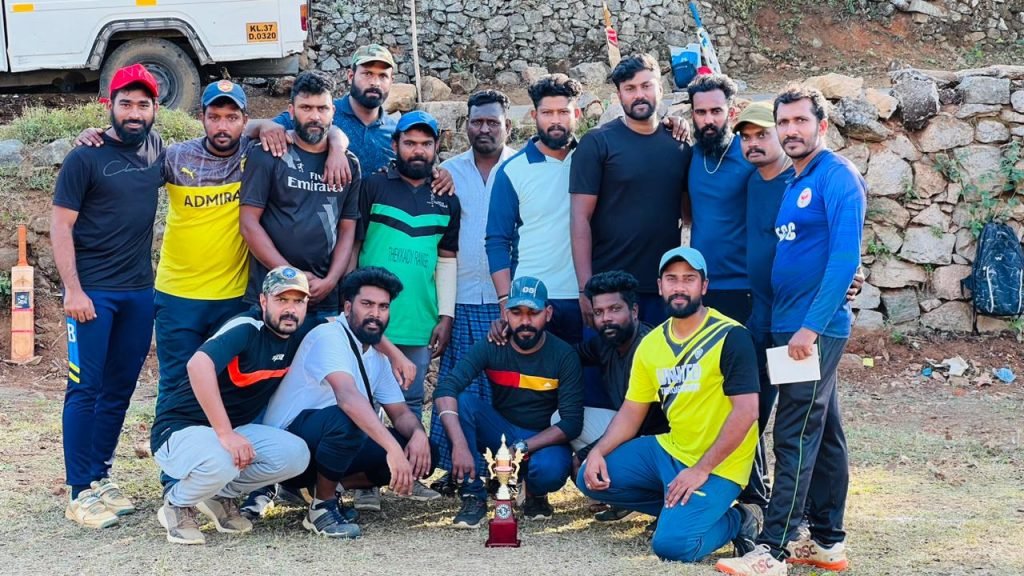
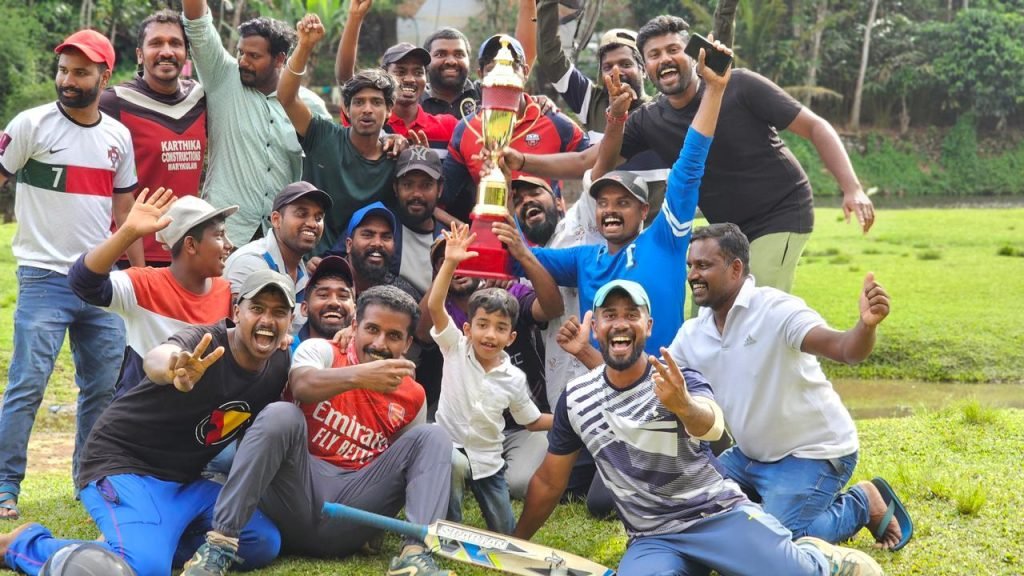
Kumily is a football crazy town but it still has many cricket aficionados who are passionate about the game and regularly participate in local tournaments. A group of them who have been playing together since 2014 are the Elegance Arts and Sports Club who have recently registered themselves as a Club.

Within months of its registration, the club has been able to help the students of the Government Higher Secondary School (GHSS), Amaravathy by setting up practice nets at the school and provides coaching to the students. This will surely attract and motivate the youngsters who wish to master the game.

Though the Club was registered only recently, they have around sixty members on their rolls and hope to reach 150 members in the near future. The club does not wish to focus only on cricket but also desires to serve the community with charitable initiatives and community development activities. 

The Club is presided over by Shereef Hussain and the Secretary is Anish P. Nair. Membership of the club is open to all Kumiliites and a nominal fee of rupees five hundred is charged for the same.

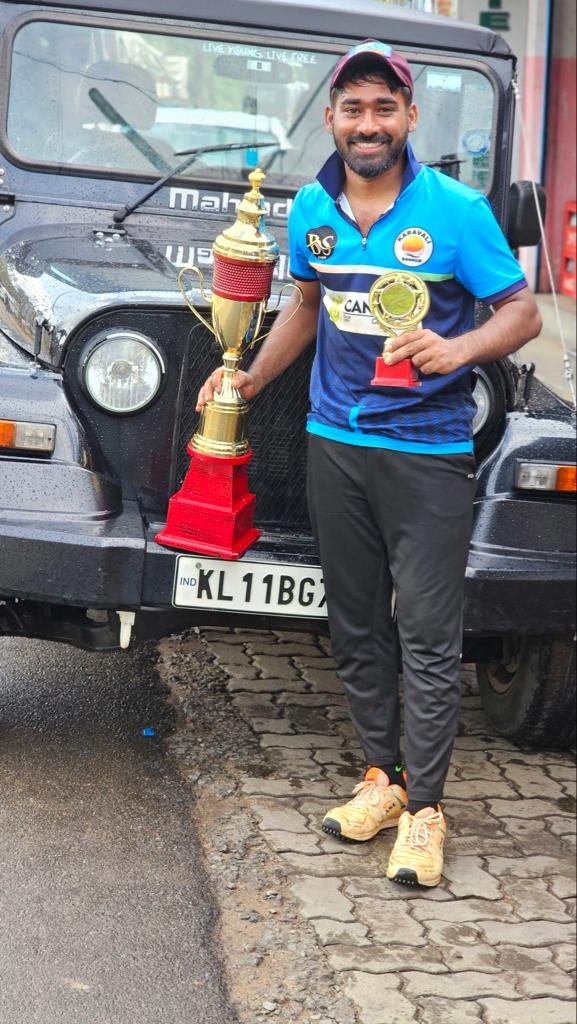
Since 2014 the Club has won various tournaments held in Idukki district and the neighbouring districts of Tamil Nadu. The club has also recently set up a football Team for young children and hopes to nurture them to future glory.

In a recent six over tournament the Elegance Team under the captainship of Anoop V. Nair played against the Chenkara Team and notched a win over them. Batting first the Chenkara team scored 37 runs and Elegance won the match with six wickets to spare. Nawaz Banur from Elegance was declared the Man of the Tournament.

A sixes Tournament is being conducted by the Club at the GVHSS grounds on 13th and 14th May 2023 and interested Kumiliites can participate in the same. Contact details are provided at the bottom of the page.

“Kumily Calling” is interested in promoting sporting and cultural activities within Kumily and wishes the Elegance Team all success. We request fellow Kumiliites who are interested in joining the club to contact Fazil Latheef by mobile : 9567450820

YODHA CULTURAL VILLAGE: PRESERVING ANCIENT ARTS OF KERALA – KALARIPAYATTU

0

Kerala is home to numerous traditional art forms and has a rich cultural heritage which remains unknown to the world. Yodha Cultural Village showcases a few such art forms. They offer a range of cultural programmes and events focusing on various art forms of Kerala including the traditional arts such as Kathakali and Kalarippayattu.

The mission of Yodha Cultural Village is to provide visitors an understanding of Kerala’s cultural heritage and enhance their appreciation of the achievements of its people. Their programmes also provide a peep into Kerala’s history and helps obtain an understanding of the prevalent social structure.

Yodha Cultural Village offers cultural programs every evening in Kalaripayattu and Kathakali. Since both arts deserve special attention and must be dwelt with in detail, this article will be featured in two parts with the first part featuring Kalaripayattu and the next dwelling upon Kathakali.

Kalaripayattu also known as Kalari is an ancient Indian martial art that originated in South India. Kalaripayattu is is one of the oldest surviving martial arts in India. Kalaripayattu was designed primarily for the battlefield of yesteryears. The word Kalaripayattu is a combination of two words – kalari (battlefield) and payattu (training exercises), which is roughly translated as “exercises in the arts of the battlefield” with weapons and combative techniques that are unique to Kerala.

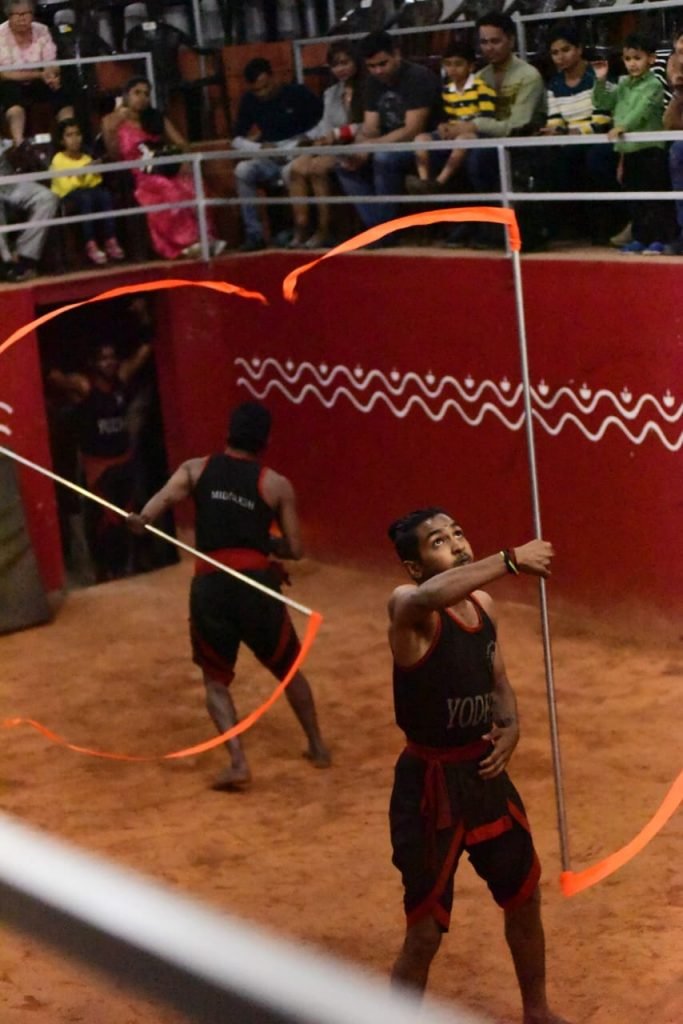
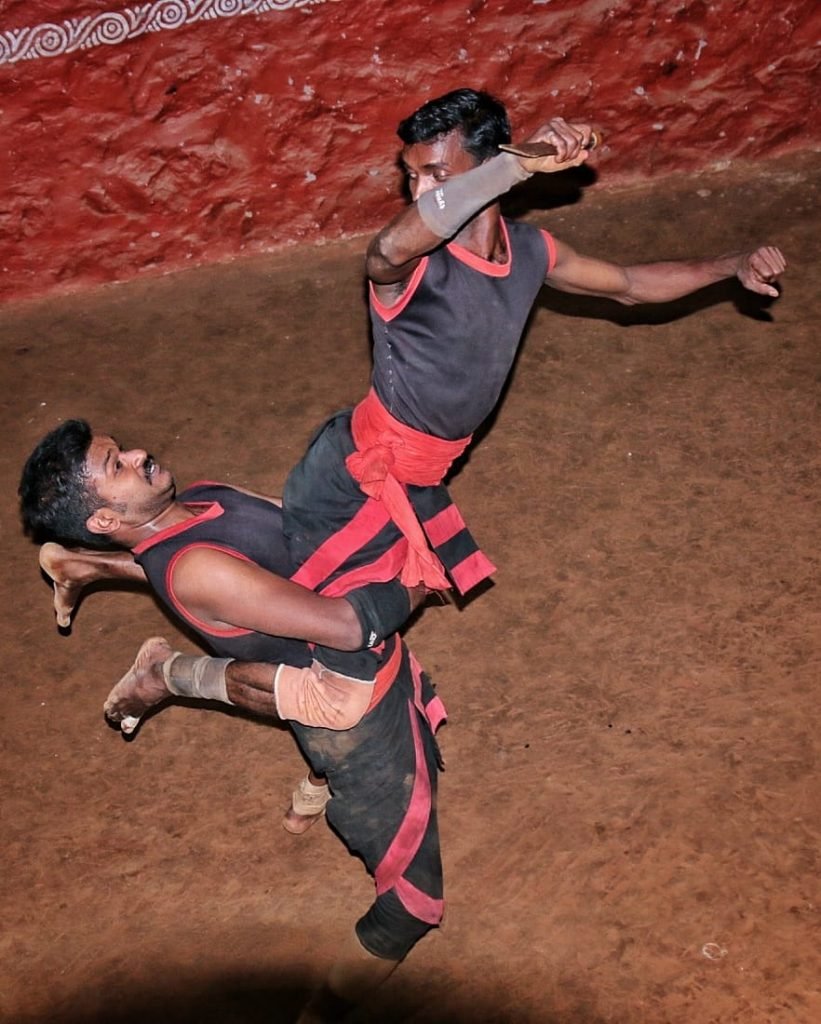
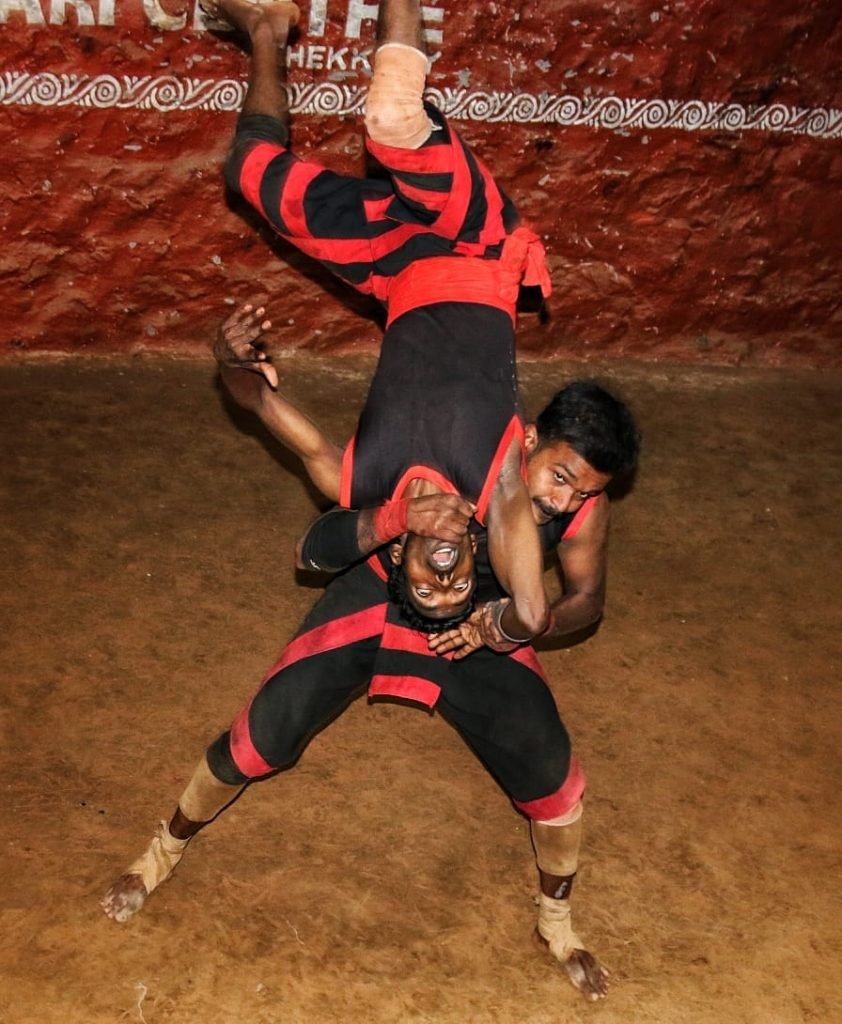
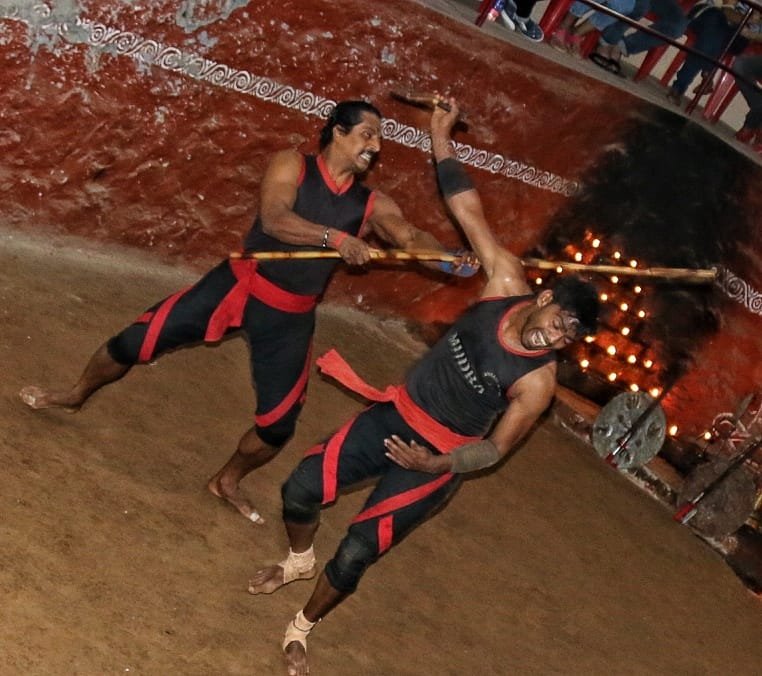
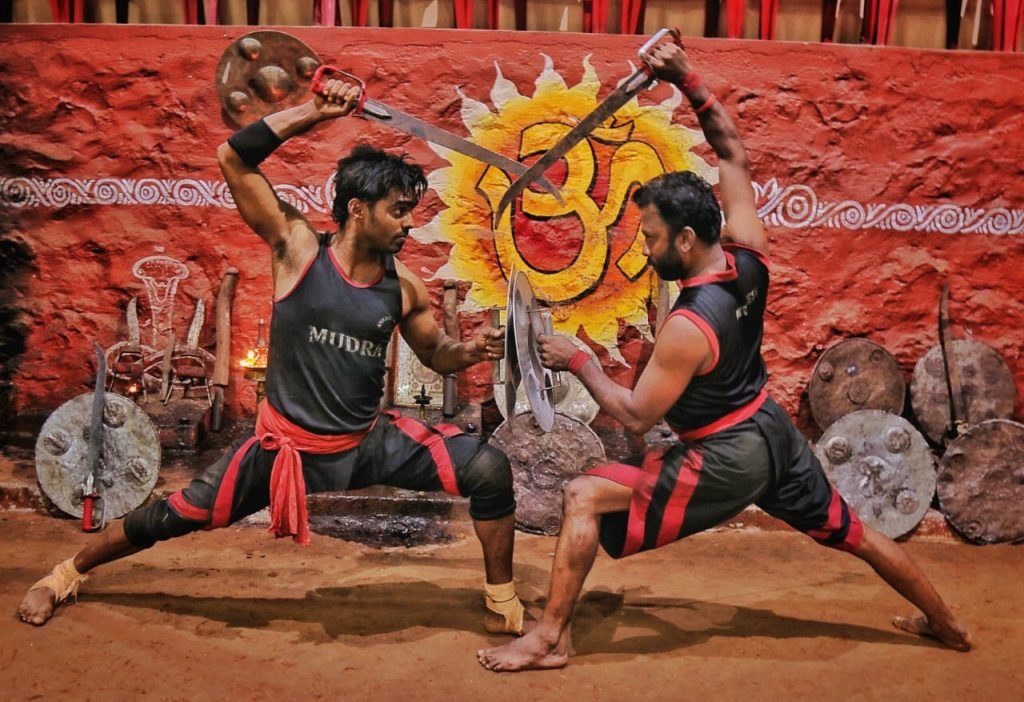
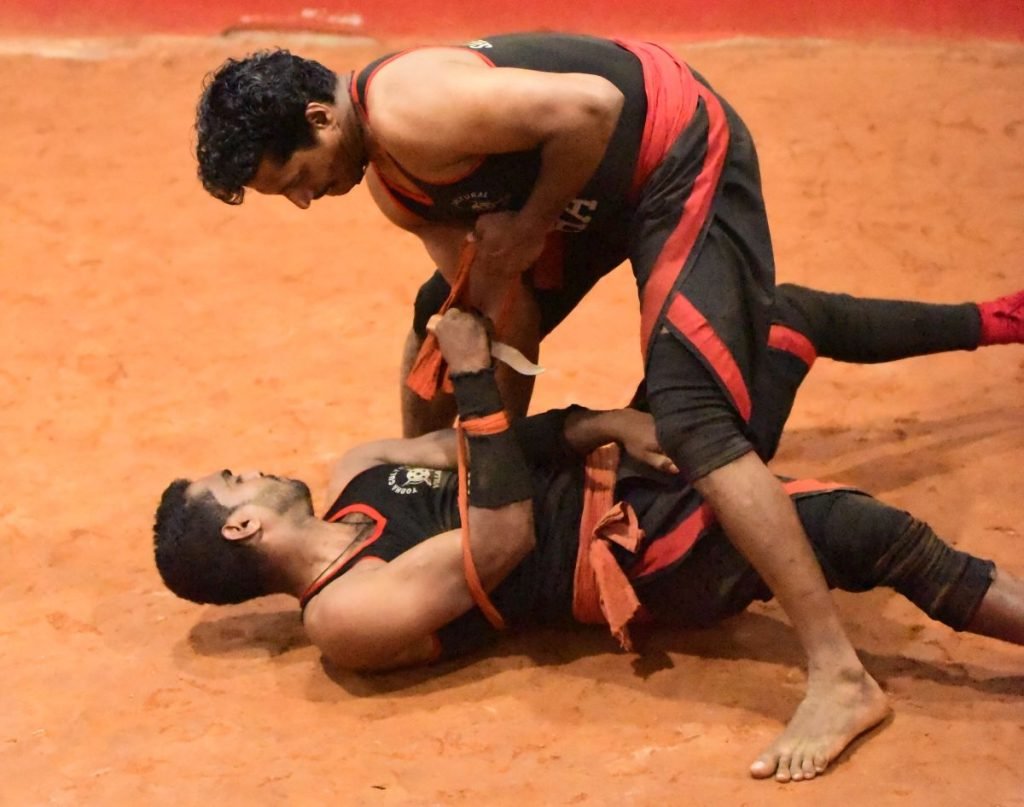
The Kalaripayattu demonstrated at Yodha Cultural Village includes strikes, kicks, grappling, preset forms and weaponry. The suppleness of the body and the swiftness of movements exhibited by the warriors of Yodha Cultural Village are indeed mesmerizing.

The programme begins with Pulliangam which focuses on the graceful movements of the warriors like a Tiger (Pulli) hunting its prey.

The second session is devoted to Silambattam or the art of twirling a bamboo pole to protect the warrior and also disarm the enemy. The pole is rotated in a pattern reminiscent of a spider’s web and reveals the dexterity and wrist control of the warrior. This was followed by the warrior’s expertise of twirling two sticks one in each hand which requires more control to ensure that the two sticks do not clash with each other but ward off multiple enemies at the same time.

Following this session two warriors then sparred with each other. While one had a sword the other faced him with bare hands while deftly avoiding the blows rained upon him and disarming the other.

Later, the warriors sparred among themselves with a knife and stick and then demonstrated their skills with sword and shield as well as spear and sword.

One of the highlights of the evening is the use of a scarf by a warrior to battle heavily armed opponents and disarm them as well as tie them up using the scarf as a weapon.  This exercise will come in for women who can use their scarves to protect themselves and ward off their enemies.

Yet another highlight was the jumps of the skilled warriors through hoops and over the prone bodies of many warriors including visitors who were invited to the arena to showcase the long distances that the warriors could leap.

The next session was the use on the Urmi or the coiled sword which when struck could stretch to long distances. Twirling the Urmi is in itself a complex art and the warrior must be truly skilled to avoid hurting himself.

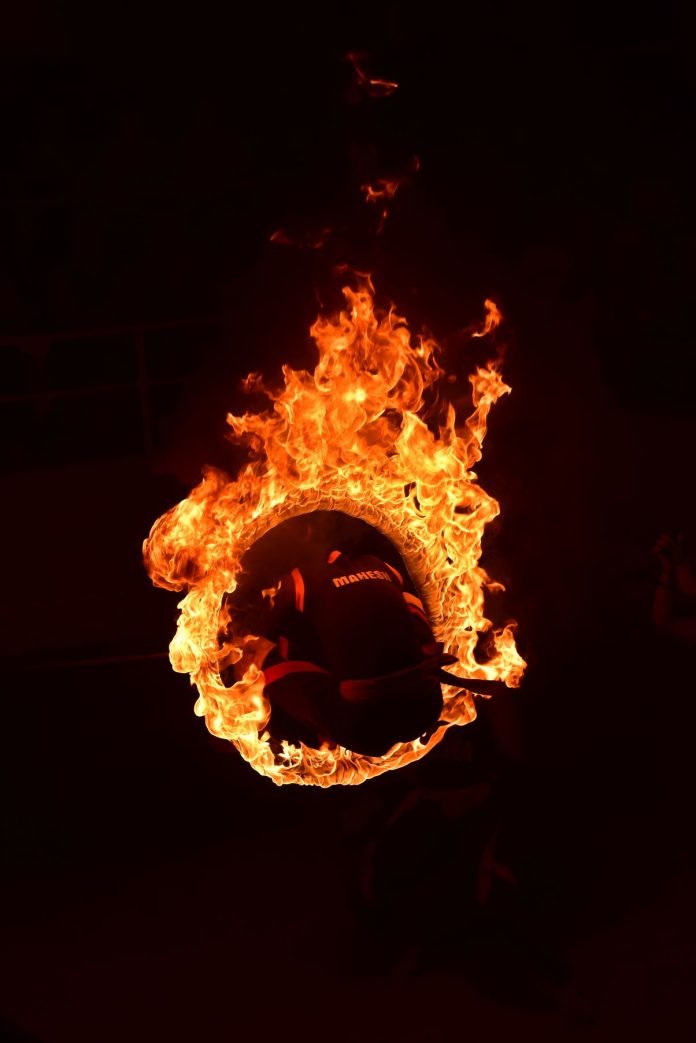
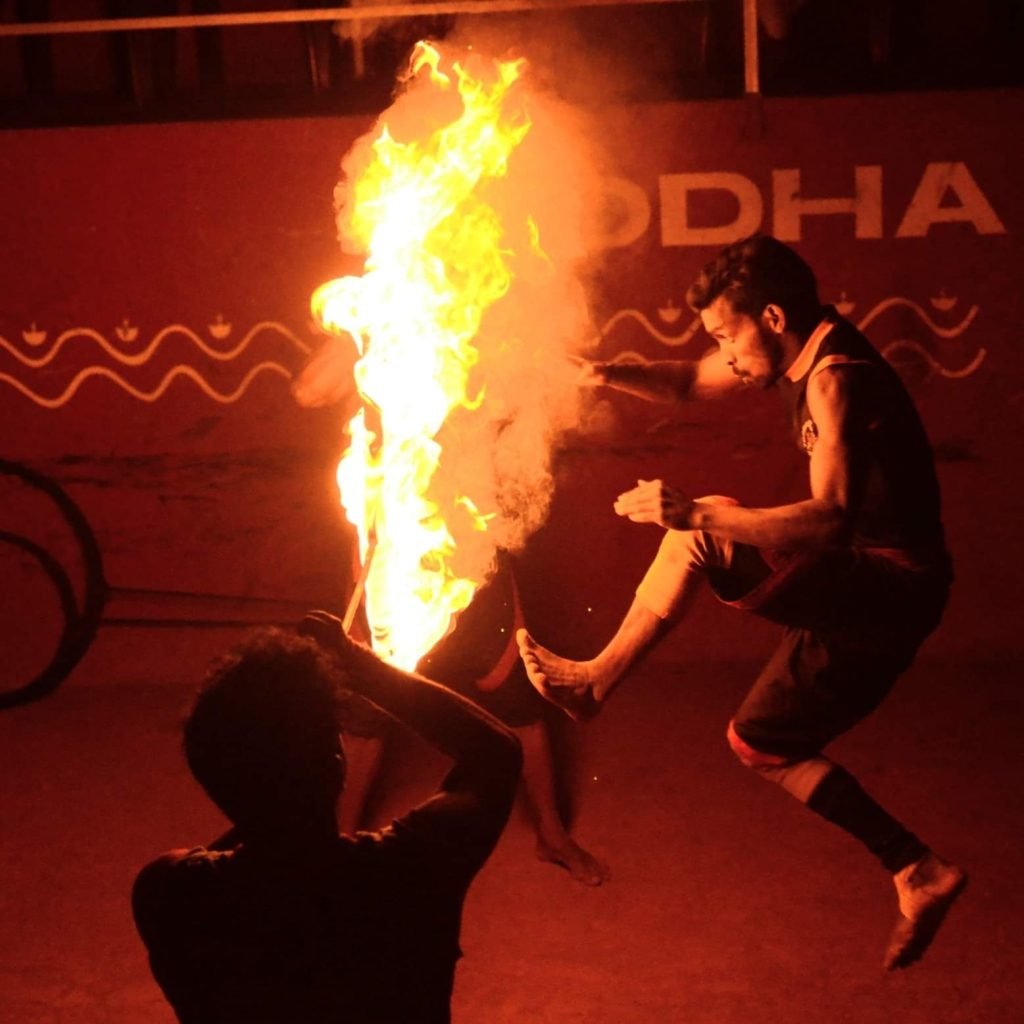
The warriors also demonstrated their skills with fire torches and displayed movements in complete darkness. They twirled poles with fireballs lit on both ends and the patterns they wove in the dark auditorium were indeed a sight to behold. A warrior also jumped through multiple hoops of fire leaving the audience tense and excited.

The programme concluded with a performance of the Korean form of Jwibulnori which had sparks flying.

We at “Kumily Calling” do not want to elucidate further and give away more details as it is best to personally experience the performance at Yodha Cultural Village rather than read about it. Therefore we request all Kumilities and visitors to Kumily to take some time off and visit the Yodha Cultural Village for an exciting evening.

ASSISI SNEHASHRAM, KUMILY: A HOME WITH A DIFFERENCE

0
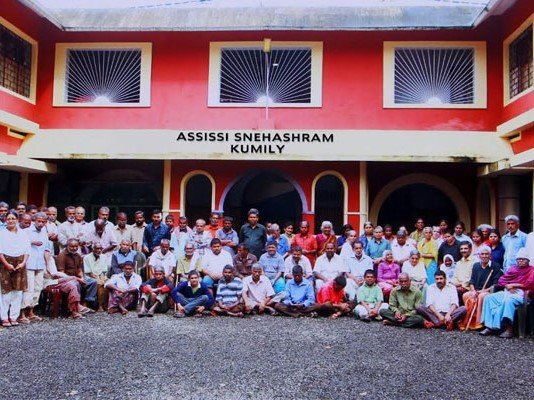
The Assisi Snehashram which is also called as Akashapparavakal by the locals is an institution which aims at protecting, serving and rehabilitating the destitute and marginalized people of the society.

By Anjaly Rajendran

Kumily is home to a lot of tourist attractions including the Thekkady Lake and the Periyar Forest Reserve surrounding the lake among others. However, what is not highlighted or known to tourists is that Kumily also has a rich heritage of public service.

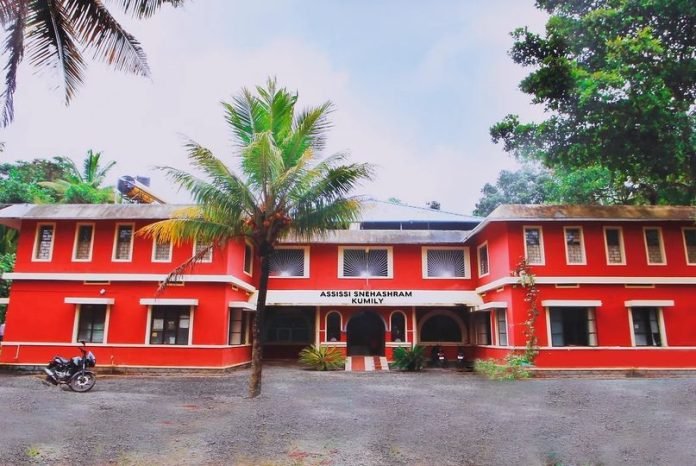
One such organization which has existed in Kumily from the turn of the 21st Century is the Assisi Snehashram which is also called as Akashapparavakal by the locals. Headquartered at Kattappana in Idukki District, Assisi Snehashram is an institution which aims at protecting, serving and rehabilitating the destitute and marginalized people of the society. They have also recently opened up a Home for destitute children in Valiyakandam, Kumily.

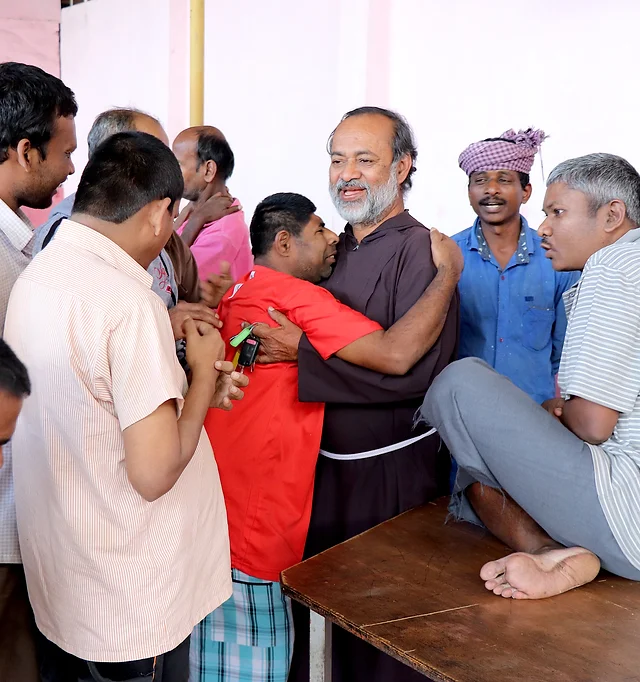
The Centre houses beggars, mentally different who are found in the street for various reasons, physically handicapped, lepers, sick destitute, widows, orphans, the aged and women who are victims of exploitation etc. The inmates here belong to different regions, religions and castes.

The Assisi Snehashram movement was founded by Fr.Francis Dominic OFM Cap., who continues to serve as its Founder Director. The Assisi Snehashram first began in Kattapana in a small way and has grown now with over 8 centres in different locations. These centres are managed and run by Capuchin Fathers, Franciscan Sisters of the Destitute (FDS) and kind hearted benefactors associated with each centre. The land and buildings for each centre are donated by kind hearted philanthropists.

The Centre at Kumily commenced operations in the year 2000 in rented premises. The Centre moved to its own building in 2007 after constructing on a plot donated by Rev. Fr. Thomas Assaripparambil.  The Centre currently has around 150 inmates including women and Men. There are separate sections and wards to house the male and female inmates here.

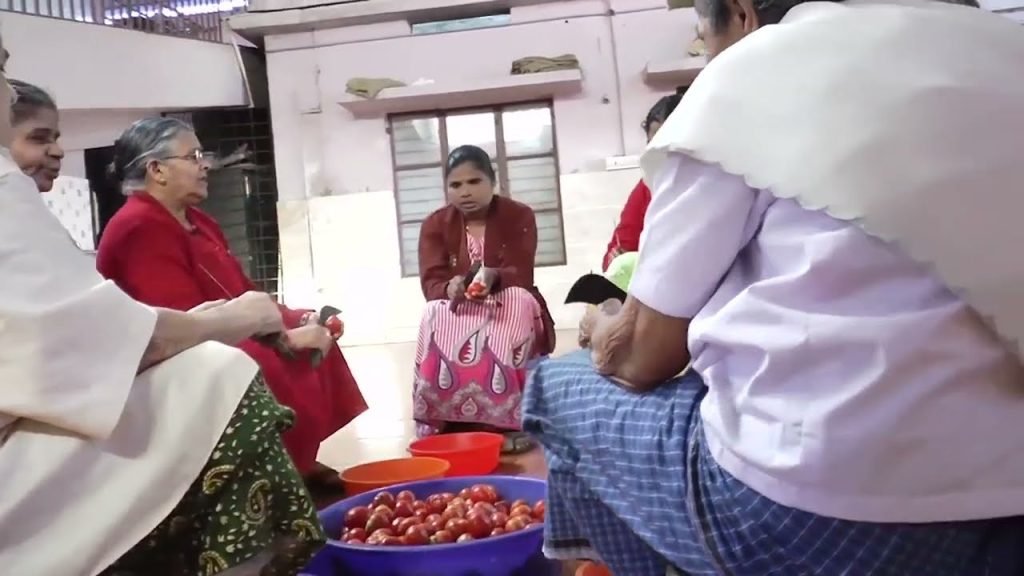
A visit to the Centre would indeed be an eye opener for the effort and dedication of the staff is commendable. The premises are very clean and hygiene is maintained throughout. Inmates who are unable to take care of themselves and their bodily functions are also taken care of with patience and love. The inmates who have moderate afflictions also contribute to the functioning of their centre by serving and assisting in the Kitchen.

Groceries and provisions are provided at very minimal rates to the Assisi Snehashram by the Government Ration Stores. It is estimated that the cost of providing food to the inmates runs up to 27000/- per day. While breakfast costs rupees 7000, lunch costs rupees 15000 and dinner is rupees 5000 per day.

The people and philanthropists of Kumily contribute to the expenses of the Centre by donating a meal on special days and events such as Birthdays, Anniversaries or Festivals and Feasts.

The St. Thomas E M H S School, Attappallam provides lunch twice a week on working days with contributions from their students. Shops, offices and other institutions of Kumily also extend their helping hand to the Centre. Readers who would like to celebrate their special moments by helping provide a meal can also contact the Superior General Sr.Anita F.S.D by email: anitafsd@gmail.com or by phone to: 9544661737 or 04869-223617

With a view to protect the inmates the Assisi Snehashram does not allow photography within its premises. The images shared along with this article were therefore sourced from the internet.

We request our readers to support this noble initiative and contribute whatever they can to the Centre. Funds can be remitted through their Federal Bank account bearing number: 15310100047501.

MARK YOUR CALENDARS: A ONCE IN A YEAR OPPORTUNITY IS COMING

0

Visit the Mangaladevi Temple located deep in the Thekkady forests which is kept open only for one day in a year on 5th May 2023 which is the Chitra Pournami (Full moon day in the Tamil month of “Chitirai”) Day.

Ancient Tamil literature gives pride of place to the chastity of Kannaki a mythical personality who is found in the ancient Tamil epic, “Silapathikaram” (Tamil: சிலப்பதிகாரம் Malayalam: ചിലപ്പതികാരം) which is said to be one of the 5 great epics of Tamil literature. The epic is a romantic tragedy of a couple, Kannaki and her husband Kovalan written by Elango Adigalar whose name means a young prince who has turned into a venerable ascetic prince.

Kannaki was said to be most chaste among women and was completely dedicated to her husband Kovalan. When her husband Kovalan goes out to sell a bejewelled anklet of Kannaki’s to raise some money, he is wrongly accused and tried by the Pandyan king who believes that he had stolen the Queen’s anklet when it was only Kannaki’s anklet which Kovalan had sold.

When Kovalan does not come back home, Kannagi goes out in search of him. Learning what has happened she storms into the Pandyan Court. She protests the injustice and then proves Kovalan’s innocence by throwing in the court the other bejewelled anklet of the pair she owns. When the king finds the gems in Kannaki’s anklet to be different from the gems in the Queen’s anklet he realises and accepts his mistake. Kannaki then curses the king and the people of Madurai whose wickedness led to the false accusation. The heartbroken king dies in shock and the power of her chastity results in the entire city of Madurai being burnt to the ground by divine flames.

After the trauma of the incident it is believed that Kannaki retreated into the forests bordering the Pandyan kingdom which is governed by the Chera king Cheran Chenguttuvan. Later after reconciling herself with the situation she moved to Kodungallur after spending 14 days on the hilltop and ascended into heaven at Lord Indra’s insistence.

Later on hearing about Kannaki the Chera King Cheran Chenkuttuvan and his royal family visit the hill and decide to build a temple for Kannagi. He brought huge Stones from the Himalayas to carve a statue of Kannaki and build a Temple as he believed Kannaki was Goddess Pattini (A Divine and Chaste spirit of the highest order) and dedicated a temple to her.

This temple, which is currently located inside the Periyar Tiger Sanctuary, has a large number of visitors on Chitra Pournami Day (5th May 2023) since visitors are allowed to enter the Mangaladevi temple only on that day. The Mangaladevi temple is around 15 kilometres from Kumily town. The journey is arduous and can be made from Kumily only by 4 wheel drive Jeeps with special permits to serve as taxis. Devotees can enter the temple from 6 am to 4 pm on the festival day.

This temple is located on a hill which is between Kerala and Tamil Nadu. It is a disputed area and therefore entry to the temple is allowed only in the presence of the Theni and Idukki District Collectors and Police Chiefs.

We therefore request all believers and lovers of nature to plan a trip to Kumily to visit the Temple and also enjoy the grandeur of nature on the path and back.

POPE APPOINTS NATIVE OF IDUKKI AS BISHOP OF JAIPUR

0

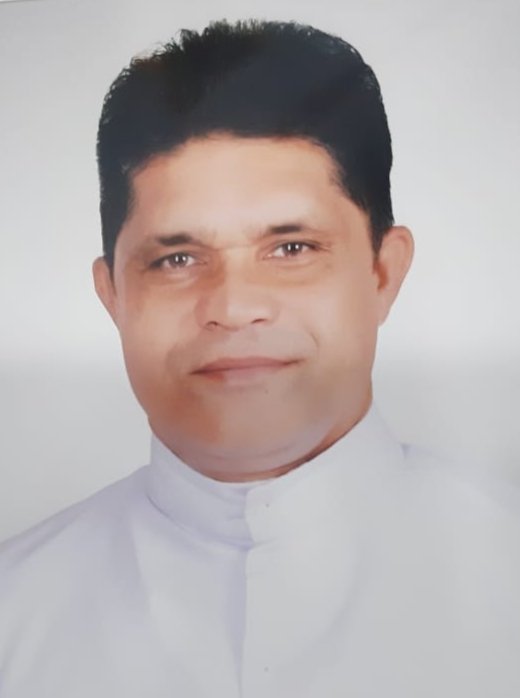
We are proud to share that his Holiness Pope Francis has appointed a Son of our Soil, Father Joseph Kallarackal as bishop of Jaipur, in an announcement from the Vatican on April 22, 2023.

His appointment followed the resignation of Most Rev. Oswald Lewis (78) Bishop of Jaipur from the pastoral care of the diocese. Prior to his current appointment Father Kallarackal has served the Church in several roles including parish priest, rector of seminaries, and manager and principal of several schools.

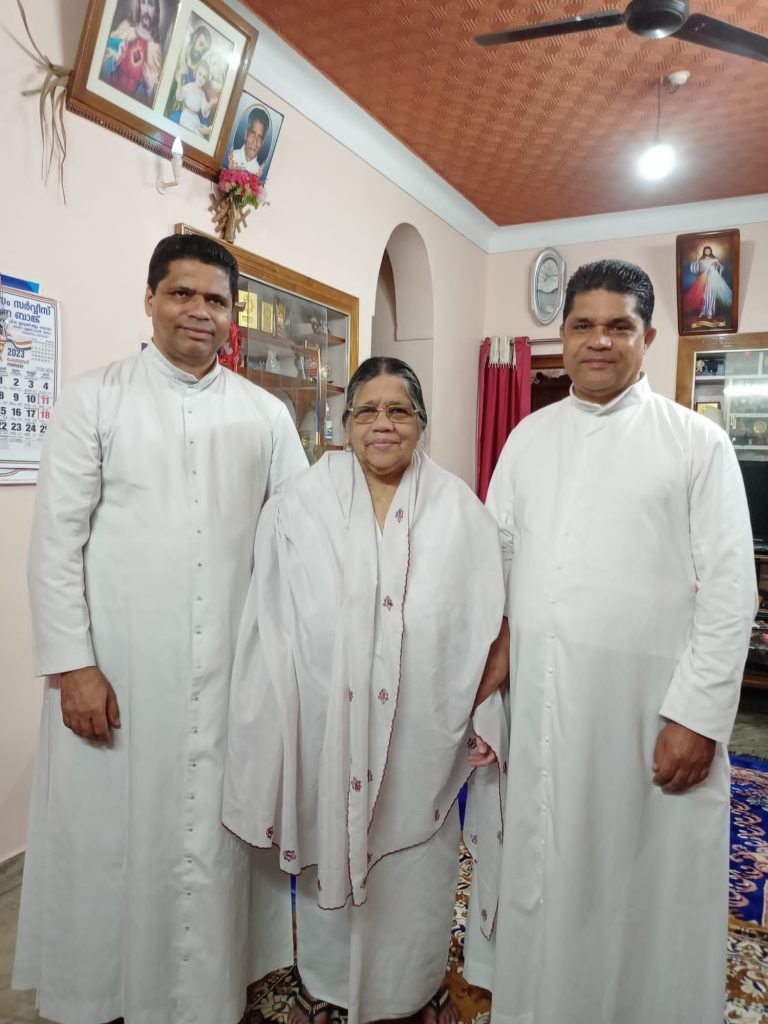
Father Joseph Kallarackal (aged 59) the Bishop designate was born on 10th December 1964, at Anavilasam, a village of Idukki district in Kerala in an agriculturist’s family to Joseph and Tresiyamma. His younger brother Dr Mathew is also a priest. His sister Jess Maria and his niece Tess Mathew have also dedicated their life to Christ.

Father Joseph Kallarackal yearned to become a servant of God even from his childhood. Having had his early education in Idukki District, Father Joseph Kallarackal studied Philosophy and Theology at St. Joseph’s Regional Seminary, in the Diocese of Allahabad from 1989 to 1997. Father Joseph has obtained a Bachelor of Arts from the Allahabad University, Allahabad. He also has a Master of Arts in Political Science from MDS University, Ajmer as well as a Bachelor of Education degree from Ponda, GVMS, Goa.

Father Kallarackal was ordained priest on 2 January 1997 for the Diocese of Ajmer. After his ordination, he was Vice-Rector of St. Theresa’s Minor Seminary, Ajmer from 1997 to 2000. He was Parish Priest and Manager, St. Anselm’s School, Nagaur from 2000 to 2003.

Father Joseph Kallarackal then did his Bachelor of Education degree in Goa from 2003 to 2004.  He was later appointed Dean and Parish Priest at St. Teresa’s Church, Jodphur and served there from 2004 to 2007. He then became the Rector of the Minor Seminary, Ajmer where he continued from 2007 to 2013. He was appointed Parish Priest, Principal and Manager at St. Paul’s School, Falna and worked there from 2013 to 2015 after which he served in a similar designation at St. Paul’s School, Pali from 2015 to 2016. He was also Rector of St. Theresa‘s Minor Seminary, Ajmer from 2016 to 2021. He is currently the Dean and Parish Priest of the Immaculate Conception Cathedral, Ajmer.

The diocese of Jaipur was created on 20th July 2005, by His Holiness Pope Benedict XVI after restructuring the existing Ajmer-Jaipur diocese. Headquartered in Jaipur the capital of Rajasthan state, the diocese consists of 12 districts of Rajasthan.

We at “Kumily Calling” would like to congratulate Bishop Joseph Kallarackal and wish him all success in his new role.

MANNAN: A TRIBE WITH A RICH CULTURAL HERITAGE

0

By Anjaly Rajendran

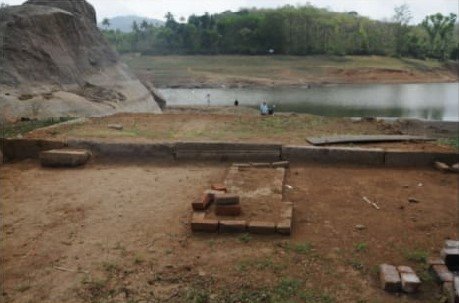
In South India, there exists a place where kingship still exists and a King with sceptre and crown continues to rule his people. Welcome to Kovilmala (Kozhimala) of Kanchiyar Gramapanchayath in Idukki District which is home to the Mannan Tribal Community. The Mannan Community is the only Adhivasi tribal dynasty with kingship currently existing in South India. The Mannan are also found in Mannankuddy of Kumily Panchayat.

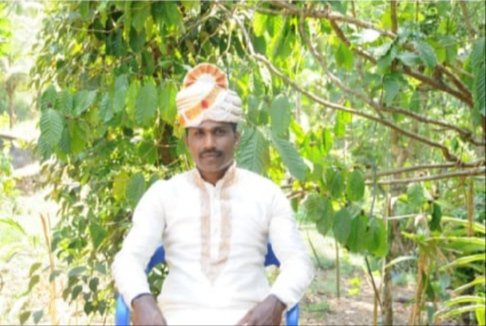
The official symbols of the king of the Mannan Community are the turban embedded with Conch and lined with pearls, straw bracelets worn on his hand, Adhihara dand (sceptre of authority), arm band on shoulder, etc

The Mannan Tribal Community is one of the 2tribal dynasties which still exist in India. The current King of the Mannan Community is Raman Rajamannan who reigns over his people from his official residence located at Kovilmala.

Raman Rajamannan is the seventeeth King of the Mannan Community. It was from the time of the fourteenth King, Nayan Rajamannan that the world came to know about this tribe to a significant extent. He remained King for a decade and maintained excellent relationship with the outside world. The single teacher school established in Kanchiyar through his intervention is today a Tribal School. It was only due to his efforts that the Mannan community has now embraced education. The present Raja Raman Rajamannan is a graduate from the MG University.

After the death of Nayan Rajamannan in March 1995, Thevan Rajamannan became the King. After his death, Aryan Rajamannan, who was only 26 years old, took over as the King. After Aryan Rajamannan died in 2011, Raman Rajamannan was crowned king in 2012.

The life of the Mannan Community is closely related to the Tamil Culture. This is evident in their Language and customs. It is believed that they were originally from Tamil Nadu and later migrated to Idukki during the period of Poonjar Rajavamsham (kings). Oral tradition has it that they were given tracts of forest lands as a reward by the Pandya King of Madurai for serving him in the battle against the Cholas. He gave them the title of Forest Chiefs, and land holdings after the war in the bordering regions of the current State of Kerala.

The Mannan Community consists of 52 Kudi or branches of the tribe.  The Mannan Community has a spiritual connection with the soil and agriculture. They speak a dialect similar to Tamil but without a script.

The Mannans are not vegetarians but they do not consume beef or pork. They are mostly rice eaters. They prefer matrimonial alliances within their own extended families (cross cousin marriages). Their primary occupation is agriculture including coconut harvesting, cultivation of herbs, etc. With the passage of time the Mannan are now exploring other professions and are mostly serving as labour in a variety of occupations.

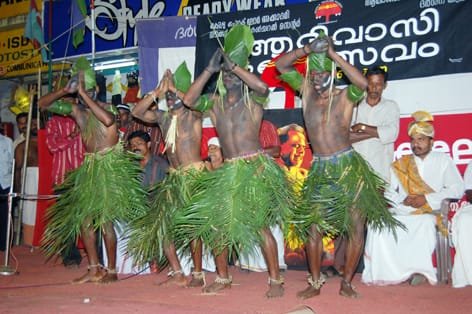
The entire life and customs of the Mannan Community revolve around birth, death, marriage, agriculture, etc.  Their main celebrations include Kalavoot, Meenoot and Mutthiamman Festival.

 Kalavoot Festival

Kalavoot is nothing but feeding the soil or watering Mother Earth.

‘Kala’ means land or soil and ‘Oot’ means to feed. Kalavoot can be considered as a part of “Uchavaranushtanam” or their traditional beliefs. The objective of celebrating Kalavoot or feeding the Earth is to replenish the soil which provides them with everything they need.

The Mannan community has been celebrating Kalavoot since the beginning of collective farming. Kalavoot is performed in the month of March and April for two days immediately after the harvesting season.

The dates of the Kalavoot festival are determined by the Kodanki of the tribe who is the official fortune teller and advisor to the Raja (king). Once the Kalavoot date is announced by the Kodanki, the women of the tribe become busy with preparations for the festival. A lot of preparatory work is carried out including the harvesting of paddy, collection of firewood, mat making, weaving of panambu, and baskets along with making of vatti, kuda (earthern utensils) and other household items.

Kalavoot takes place on the day of Velutavaavu or Vattarinal (tribal names for the Full Moon Day). It is also a day when all the members of the tribe are given equal importance. A portion of the grain they harvest is offered to appease the Mother Goddess. They pray to the Goddess to protect their crops and cattle from the wildlife and from nature’s destruction.

Meenoot Festival

Meenoot is nothing but the feeding the Fish.

Meenoot is the ceremony that takes place after Kalavut. The ceremony takes place at the Lord Ayyappan Temple located on the banks of the Periyar River. It is believed that the River Periyar, who nurtures the tribe with its water, will come to Lord Ayyappan with the harvest from the Kudi (householders of the tribe). They will be offered with prayer. This offering to the deity is called ‘Panchavadi’. Panchavadi is made of rice soaked in coconut milk. Panchavadi is offered by the devotees who keep it on their palm and submerse it in the river. If a golden fish comes and eats it out of their palm then it is believed that the forthcoming year will be a prosperous and blessed year with good harvest and good health.

These ceremonies continue unto this day and are a sign of their bonding with the river and the Lord Ayyappan who rules the forests.

The Kanchiyar Mutthiamman Festival

Earlier the festival was held by the residents of Kovilmala. As the migration increased, the Mannan Community migrated from the Kanchiyar Temple area to the forest regions and other parts of the world in search of employment. In the days before the exodus, the festival was celebrated with great fanfare. Mutthiamman is representative of their favourite deity, Madurai Meenakshiamman. In earlier times, festivals such as Kalavoot were also performed in the Kanchiyar Mutthiamman temple.

Kanchiyar Mutthiamman is worshiped by the community as the daughter of Madurai Meenakshi Amman, who is the primary Goddess along with 42 minor deities placed around the temple. Pounded rice prepared from fresh green grain is offered to the Goddess. This ceremony is known as Mutthiamman Oot and is a symbolic offering of their harvest to the Goddess.

Muthiamman is considered to be the Grandmother of their tribe who is also addressed as “Thatha” and is said to have come along with them when they arrived from Madurai.

 The Vathi who are the heads of the 52 kudis comprising the Mannan tribe along with the Plathis (the Priests of each Kudi) are the main organizers of the Mutthiamman festival. The festival is held for seven days at Kanchiyar.

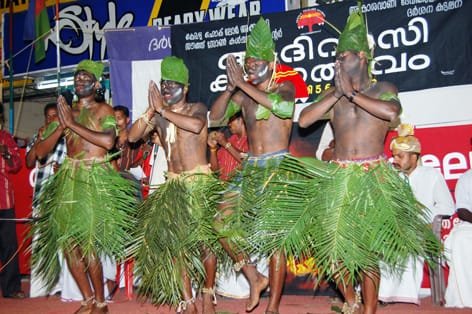
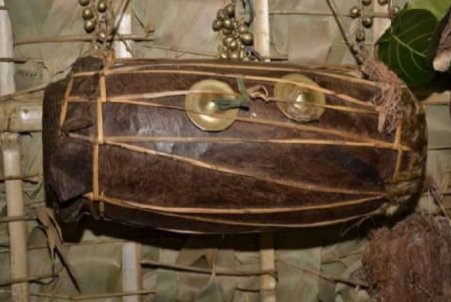
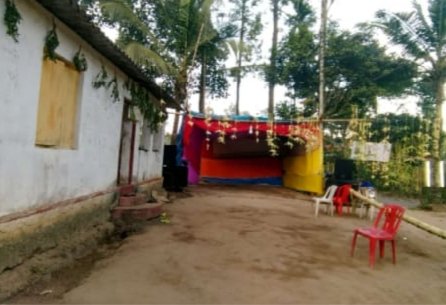
The ancient theatre art form known as “Koothu” is staged after special poojas in front of the Mutthiamman’s Temple. The theme of the Koothu – an art form that dates back to the Tamil Sangam period depicts the “Kannagi – Kovalan” story found in the ancient Tamil Epic “Chilapathikaram”, one of the five great epics of Tamil literature.

The life of the Mannan and their culture has been altered hugely during the second half of the twentieth century. Over the passage of time Mannan’s have increased their interaction with other communities and this has diluted their language and other customs and rituals.

Most of the tribals who once used to earn their living by collecting forest resources and other agricultural activities have now become labourers who are being exploited in Society. The current generations of Mannans are gradually losing touch with their roots and heritage.

Those who once were the Kings of the Forests now appear to be slaves…

FESTIVAL OF ST GEORGE / GEEVARGHESE SAHADA TO BE HELD

0

By Anjaly Rajendran

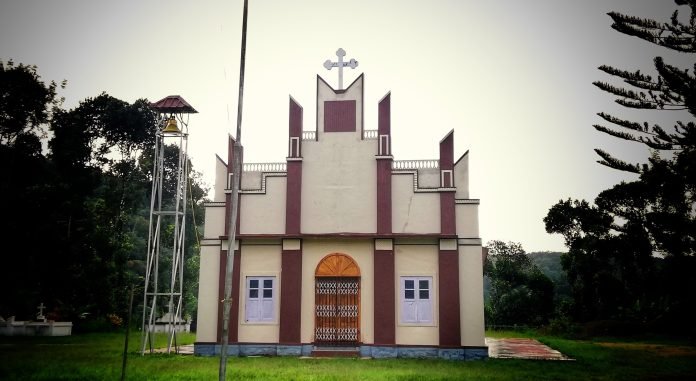
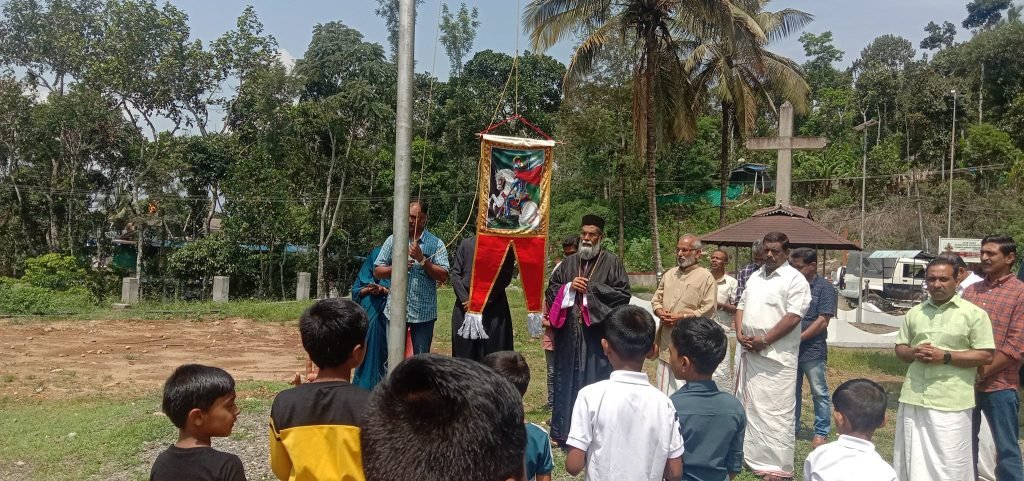
St. Mary’s Jacobite Syrian Church will celebrate the memorial festival of Saint George – Geevarghese Sahada on 30th April and 1st May 2023 at Kallumedu.

Rev.Fr. Kuriakose and Fr. Tinu Scaria will lead the pilgrims in prayer during the Festival. Saint Geevarghese Sahada is one of the most venerated saints and is considered to be the champion for indigenous concerns. There will be Mass and offering on the third day.

More details of the Church and the Feast can be found on: https://www.facebook.com/profile.php?id=100066881035902&sk=about